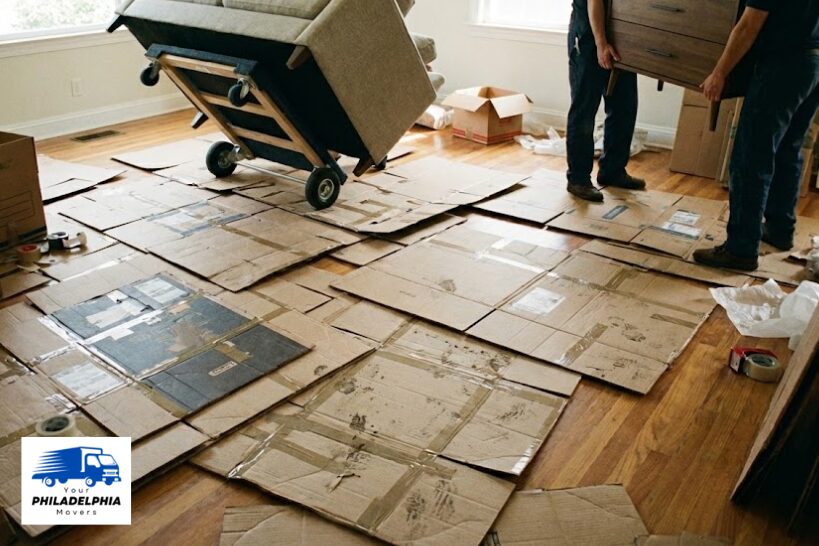
Moving in Philadelphia often means dealing with tight streets, limited parking spaces, and strict time limit restrictions. If you plan to use a moving truck, you may need a temporary parking permit to load and unload legally. This is especially true in places like Center City or in residential areas with narrow streets.
This guide breaks down the steps for getting a Philadelphia moving truck permit so your move stays on schedule—and avoids unnecessary fines or delays.

Why You Need a Moving Truck Permit in Philadelphia
In many Philadelphia residential areas, legal parking options for large vehicles are limited. Moving trucks take up more than one space and may block driveways or bike lanes. Without a permit, you risk fines and delays. A temporary parking permit ensures that you have space reserved near your new home without violating the parking rules. It also helps maintain the flow of traffic and improves the quality of life for neighbors during your move.
Step 1: Know If You Need a Parking Permit
You need a parking permit if:
- You’re using a moving truck that is over 22 feet long.
- You plan to block a metered space.
- You plan to park in a loading zone or no-parking area.
- You are parking for more than the posted time limit.
In Philadelphia, the Streets Department advises movers to reserve parking if the move is taking place in busy areas like Center City or in residential areas with narrow streets or limited legal parking.

Step 2: Request the Permit Through the Streets Department
To get a permit, you must apply through Philadelphia’s Streets Department. You will need to submit a Temporary No Parking Permit application.
Here’s what you’ll need:
- The exact address of the move.
- The date and time you need the parking restrictions.
- The type and size of the vehicle.
- Your contact information.
You can apply online or in person at the local police district. Applying online is faster and more efficient.
Step 3: Apply in Advance
The Streets Department requires that you request the permit at least three business days before the move. For busier neighborhoods, it is safer to apply five to seven business days ahead to avoid delays. The city processes many requests, so planning early improves your chance of approval.
Step 4: Pay the Fee
There is a fee per parking space per day. Most moving trucks require at least two spaces. The fee includes:
- Permit processing cost.
- Posting required “No Parking” signs.
The fee is non-refundable. Make sure you know how long you’ll need the spaces and estimate the size of your vehicle before paying.
Step 5: Post No Parking Signs
Once approved, you’ll receive temporary “No Parking” signage. These signs must be posted on-site at least 24 to 48 hours before the move. The signs notify drivers that the parking spaces will be reserved for a moving truck.
Make sure the signs are clear and visible. Place them on poles or other legal fixtures near the curb. The signs alert traffic enforcement and residents that the parking spots are off-limits during your move.
Step 6: Work With the Local Police District if Needed
In some cases, you may need to coordinate with the local police district. If your move requires traffic control or if you must park in a restricted zone, contact your district’s traffic division. They can help approve exceptions or advise you on enforcement.
Step 7: Use the Permit Correctly
On moving day, display the permit inside the moving truck or vehicle’s dashboard. The permit must be visible to parking enforcement officers. If it is not clearly posted, the truck may still receive a ticket.
Use only the space listed on your application. Do not park outside the approved area. Obey general traffic rules and avoid blocking crosswalks, driveways, or fire hydrants.

Special Considerations for Center City and Other Busy Areas
Center City streets are narrow and tightly packed. Parking spaces are often taken early in the morning, and time limit restrictions are enforced. A permit helps reserve space, but it’s also smart to start your move early in the day.
If you’re hiring movers, inform them of the permit details. Share the location and time of your reserved parking area, so they can plan their arrival.
What Happens Without a Parking Permit?
If you park a moving truck in the street without a permit:
- You risk tickets or fines.
- Your truck may block legal traffic flow.
- You may need to move the truck during the middle of the move.
- Residents and neighbors may file complaints about blocked access or noise.
The parking permit helps avoid these issues and improves the overall moving experience.
Let the Pros Handle the Permit Puzzle
Getting a Philadelphia moving truck permit requires time, planning, and coordination with the city. It’s not hard, but it adds one more task to a long moving checklist. If you’d rather not worry about street signs, time limits, and paperwork, hiring professional movers in Philadelphia can take care of it all.
Many reputable moving companies, like Your Philadelphia Movers, handle the entire permit process for you—from applying with the Streets Department to posting the signs on time. They know the neighborhoods, understand the rules, and help make sure your move goes smoothly without a parking headache.